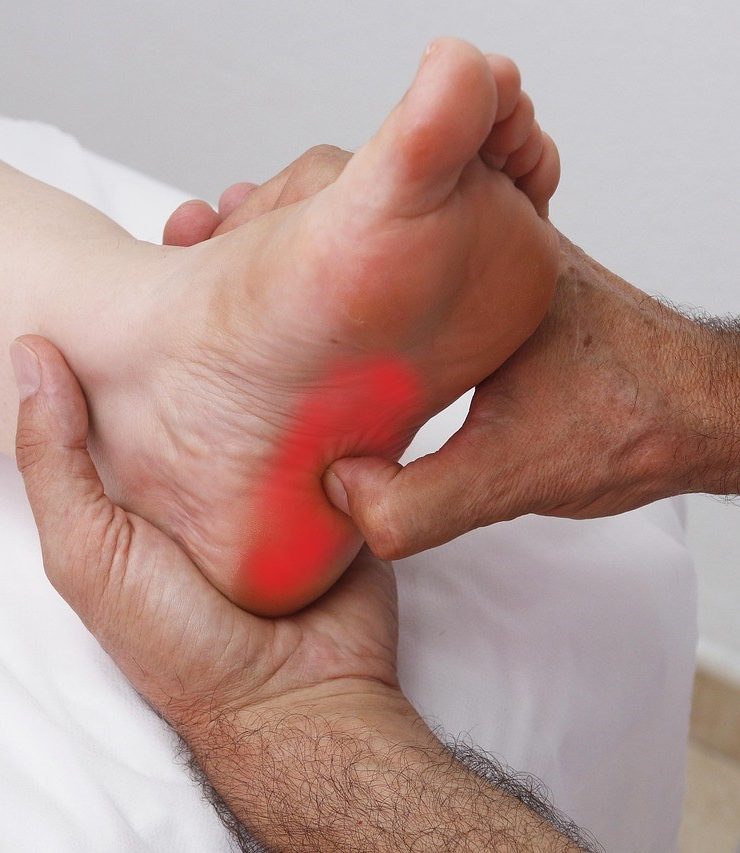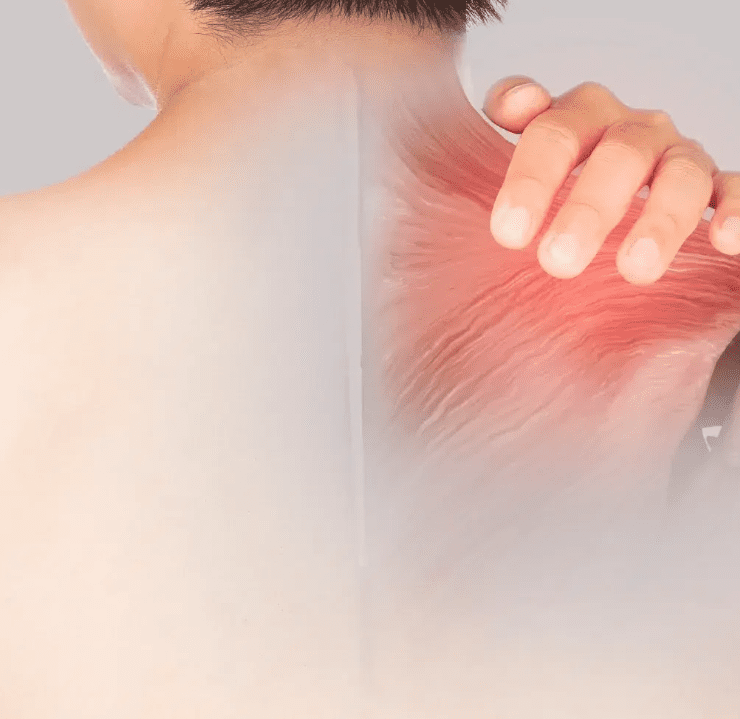
It shows up as a dull ache at the base of the skull, before radiating around one side of your head. You take your go-to pain killers, rest, and it keeps coming back. For months(or maybe years), you’ve been dealing with the symptom: the headache. But no one really checked one of the most common causes of these types of headaches: the neck.
Official figures show neck-related(Cervicogenic) headaches account for up to 4% of cases.The number may look small but if you factor in how many people suffer from chronic headaches globally, it quickly turns into millions. In fact, the percentage is likely higher because these cases are usually misdiagnosed. According to current estimates, most people start having these headaches in their 30s, but the diagnosis isn’t nailed down until their late 40s.
We’ll dive into how your neck can be the hidden culprit behind headaches, and how you can go about making it better.
So, what exactly are Cervicogenic Headaches?
These are headaches caused by issues in neck structures such as bones, muscles, tendons etc. The headache is usually one-sided, and tends to show up when the involved structures are stressed/loaded in various ways.
Why the head takes the beating for a neck problem
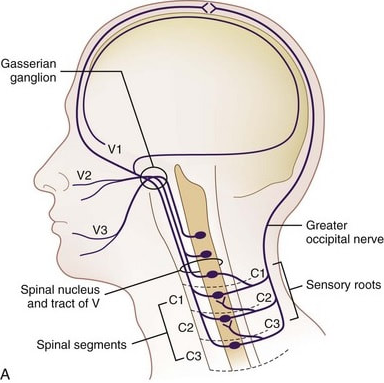
There’s an area at the base of the Brain(Brainstem), known as Trigeminalcervical Nucleus. This is where one of the key nerves from the head(Trigeminal Nerve) mixes up with a number of nerves from the upper parts of the neck. These nerves are called C1, C2, and C3, and are responsible for relaying signals from the first 3 spinal joints, muscles and other soft tissue structures. When upper neck structures are injured, dysfunctional, or chronically stressed, there’s a constant barrage of signals to the Nucleus.
Now here’s where it goes wrong:
The Brain isn’t always able to tell where the pain signals are coming from due to the mix up of nerves from the neck and head in the Trigeminalcervical Nucleus. This leads to misinterpretation of pain signals from the neck as coming from the head through the Trigeminal Nerve. The result is the sensation of a headache.
Key Issues behind headaches for My Patients
Spinal Joint Irritation
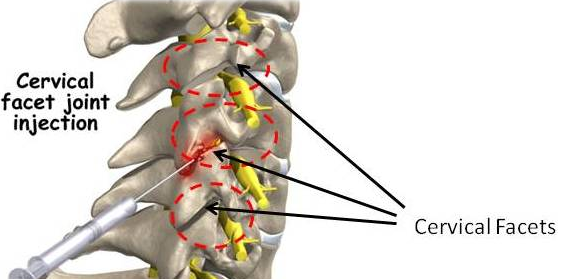
Irritation of tiny joints that keep the upper neck moving is the biggest culprit behind cervicogenic headaches. In fact, 70% of all cases are linked to C2-C3 joints, which are basically a pair of joints between the 2nd and 3rd vertebrae(spinal bones).
Muscle Spasms
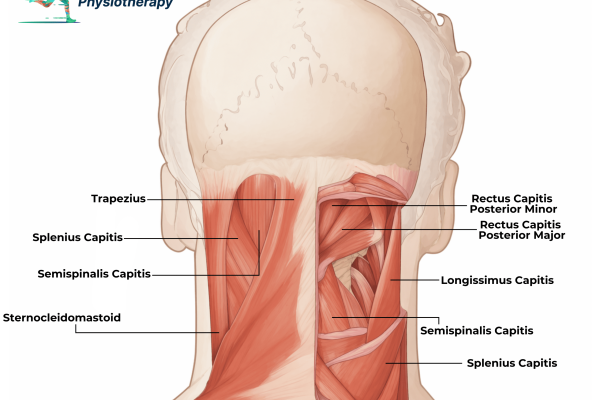
There’s a group of tiny muscles at the base of the head, connecting the Occipital bone and upper parts of the neck. These muscles(a.k.a Suboccipital muscles) are responsible for providing stability and driving key head and neck movements like rotation and extension.
Sometimes, these muscles can get into a perpetual state of tightness due to factors like poor posture and long hours of working. When left unchecked, this creates an environment that fosters pain and inflammation, leading to a barrage of pain signals to the Brainstem, which leads to headaches.
Spinal Disc issues
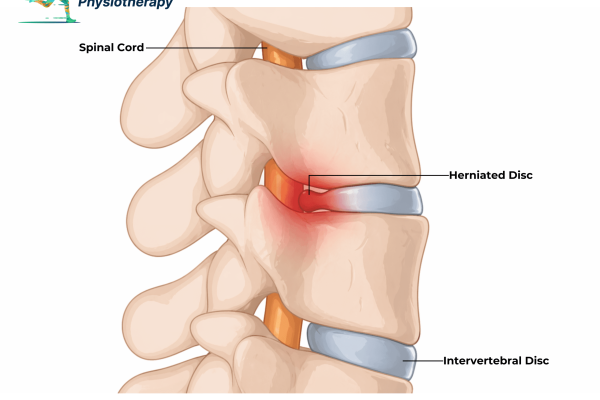
Spinal/intervertebral discs are circular structures stacked between spinal bones. They’re responsible for providing a cushioning effect, which is key for safety and effective load transfer. Sometimes these structures can sustain tears, bulge out/herniate, or degenerate due to a range of factors. The resultant pain from these issues may be misinterpreted as headache once the signals reach the Brainstem.
Trigger Points
Trigger points are hyper-sensitive spots in a tight muscle tissue. They can occur as a standalone phenomenon, or secondary to other issues like spinal joint irritation, spasms, and disc disease. They can be dormant, or active, causing a lot of pain and discomfort. Just like other upper neck problems, pain from trigger points in surrounding muscles can be mistaken for pain from the Trigeminal nerve in the Brainstem.
Muscle Strains
A strain is when muscle fibers are torn or overstretched. This mostly happens when a muscle is loaded beyond normal limits, or subjected to high tension due to an extreme position. Forceful movements, excessive loading, and overstretching are key culprits. Again, faulty processing of pain signals from strained muscles around upper parts of the neck can be misread as headaches.
Sprains
Sprains are injuries to tough connective structures that hold your bones together, a.k.a ligaments. Like strains, sprains result from loading beyond normal limits. Depending on the intensity of imposed loads, sprains can be partial or full thickness. Quick, jerky movements can be too much for ligaments which hold the neck together, causing injuries and persistent pain.
How Can You Tell If Your Neck Is the Problem?
Of course you need a professional assessment to be sure of anything. Reach out to us here if you’re looking for professional help in St. Clair, Western Sydney, or Penrith area. However, there are some clues to look out for:
- Neck-initiated Pain: The pain typically starts from the neck and back of the head and radiates to one eye, temple, or forehead areas.
- Triggered by neck movements.
- Stiffness: Neck feels stiff when you try to move in one or more directions.
How I help My Clients get Better with Physiotherapy
Physiotherapy is a key part of treatment when it comes to dealing with Cervicogenic headaches. The aim is simple: Identify underlying causes and reduce/eliminate them for long lasting relief and better quality of life.
The’re two main steps to achieve this:
Assessment

This is all about figuring out the primary cause and associated factors. The first step is to understand your story for a clear idea of what your experience has been like. A series of questions relating to pain patterns, medical history, and occupational factors help us streamline the assessment towards what matters most.
Once this is done, I engage in a physical assessment to get more objective insights into implicated structures. This involves techniques like provocation tests, range of motion, and functional assessment to further inform the diagnosis and treatment plan. Once the clinical impression is established, I formulate a treatment plan based on findings.
Treatment

There’s a wide range of treatment approaches at a physiotherapist’s disposal to deal with neck issues associated with headaches:
Manual techniques
This involves a series of hands-on techniques aimed at addressing various issues. They are classified into two, based on target structures:
- Joint Mobilisation and manipulation: Application of precise, controlled force to implicated spinal joints to reduce pain and stiffness. This proves highly effective for headaches caused by dysfunctional joints.
Soft tissue Mobilisation: This involves a series of techniques aimed at restoring function in soft tissue structures like muscles. It’s particularly helpful when there’s a lot of muscle tension, pain, and trigger points.
Exercise

Sometimes, it’s more than just irritated structures. You may have concurrent issues like muscle imbalances and postural issues that may only be addressed by a personalised exercise program.
This may include:
- Stretches: To address mobility issues.
- Strength Training: To deal with strength deficits in implicated muscle groups.
- Functional Training: To help with enhancing performance in functional tasks that matter to you.
Ergonomic Advice

Neck issues are rarely a result of an isolated incident. For most of my clients, poor posture, overexertion, and excessive loading remain issues that need attention. In most cases, there’s a clear need for a work-place assessment which helps me to gauge the risk, and formulate the right adjustments to the workstation and routine.
How we helped Maureen Get Rid of Persistent Headaches
Maureen(pseudonym) walked into my treatment room a few months ago, in visible pain and a tensed up head and shoulders. She didn’t waste any time and narrated a year-long history of headaches, filled with hope and frustration. The Doctors thought it was some form of primary headache so she was put on a number of drug regimens.
The outcomes were not as impressive: relief for a few days-weeks, followed by a relapse. She expressed a deep frustration and feared for her future due to a legitimate possibility for drug addiction. That’s until a colleague, who happened to be one of our previous clients, referred her to our clinic.
I went ahead with the assessment, which suggested involvement of the C2-C3 spinal joint. The joint was sensitive to our tests, with a strong correlation to her headache intensity. Additionally, there was secondary tightness and trigger points in her neck muscles.
We engaged targeted manual mobilisation techniques on the joint, soft tissue techniques, and targeted stretches to deal with all the key factors. The results were remarkable. Her pain reduced by 50% after the first session. By the time we hit the 6th session, she was free from all symptoms.
The Bottom Line
Neck related headaches are highly treatable with the right approach to assessment and treatment. If this sounds familiar, it’s high time you address the root cause. Get assessed by a qualified physiotherapist for the most appropriate treatment possible. Are you based in Western Sydney, St Clair, or Penrith area? Hit the “book an appointment” button up top and let’s have a conversation.
Frequently Asked Questions
It depends on the underlying cause. However, most patients experience significant reduction(more than 50%) of pain within the first few treatments(2-3) sessions, especially when the pain is most coming from joint and muscle issues.
Most patients respond exceptionally well from a combined approach, blending manual techniques, exercise, and passive modalities. However, the best choice will ultimately depend on the nature of the problem and other personal factors.
Studies show irritation of spinal(facet) joints, especially between the second and third vertebrae, as a key driver. However, there’s not always a single cause. Most patients come in with a mix of different factors.